
Why Is The Crypto Market Down Today? – A Deep Dive
Published: Fri, 05 Jun 2026 04:59:00 GMT
As the digital asset landscape continues its relentless evolution, periods of significant downturn often leave investors and enthusiasts alike searching for answers. Today’s crypto market dip, as highlighted by Yahoo Finance, is likely a confluence of several macro and micro factors, reflecting the inherent volatility and interconnectedness of modern financial markets.
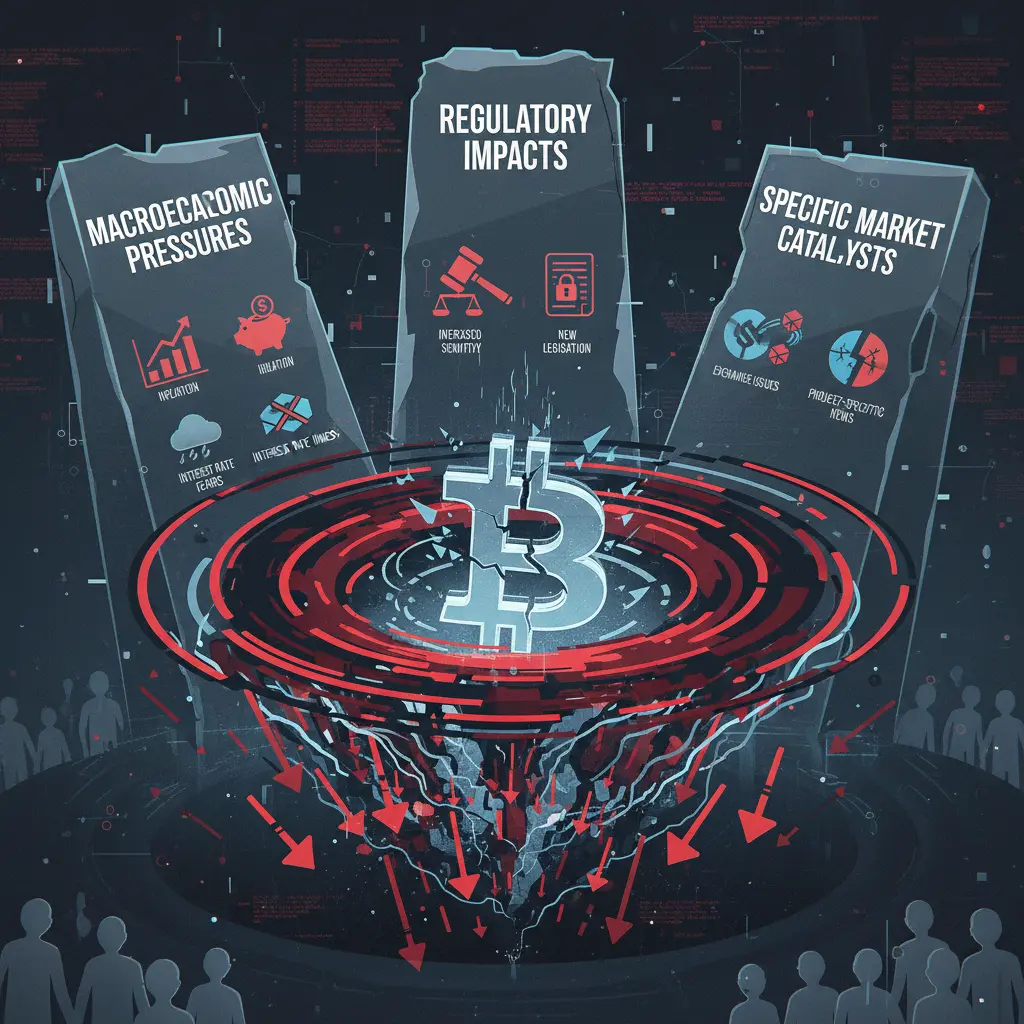
Macroeconomic Headwinds
Often, the broader economic climate casts a long shadow over risk assets like cryptocurrencies. Key macroeconomic indicators that frequently influence crypto performance include:
- Interest Rate Expectations: Central banks globally continue to grapple with inflation. Any signals of aggressive interest rate hikes from major central banks (like the Federal Reserve) can reduce liquidity in the market, making investors less willing to hold speculative assets like crypto and shifting capital towards safer, yield-bearing investments.
- Inflation Concerns: While some argue Bitcoin (BTC) acts as a hedge against inflation, persistent high inflation can erode purchasing power and consumer confidence, indirectly impacting investment appetite for volatile assets.
- Geopolitical Instability: Ongoing geopolitical tensions, regional conflicts, or significant policy shifts in major economies can create widespread uncertainty, prompting a flight to safety and away from crypto.
Regulatory Scrutiny and Development
Regulation remains a pivotal force shaping the crypto market. Announcements or rumors of impending regulatory frameworks, crackdowns on specific projects, or even general statements from financial authorities can trigger significant market movements. Increased clarity can sometimes stabilize, but uncertainty or overly restrictive measures often lead to sell-offs as investors adjust to new compliance landscapes.
Market-Specific Catalysts
Beyond the broader economic picture, internal dynamics within the crypto space can also drive downturns:
- Major Liquidations: In a highly leveraged market, significant price drops can trigger cascade liquidations, forcing traders to sell assets to cover margin calls, exacerbating the downward spiral.
- Specific Project Concerns: News related to a major blockchain project—such as security breaches, technological vulnerabilities, or regulatory actions against a prominent token—can have ripple effects across the entire market, particularly if it’s a widely held or influential asset.
- Exchange or Platform Issues: Problems with major cryptocurrency exchanges, including operational failures, hacks, or regulatory enforcement, can severely impact market confidence and liquidity.
- Whale Activity: Large institutional or individual holders (“whales”) moving significant amounts of crypto can sometimes signal impending sell-offs, influencing broader market sentiment.
Technical Factors and Sentiment
Technical analysis often plays a role, with key support levels breaking sometimes accelerating selling pressure. Moreover, market sentiment, often driven by fear, uncertainty, and doubt (FUD) propagated through social media and news cycles, can lead to panic selling, even in the absence of fundamental changes.
The Road Ahead
For investors, understanding these multifaceted drivers is crucial. While daily fluctuations are a hallmark of the crypto market, periods of downturn often test the resolve of even seasoned participants. Observing the interplay of global economics, regulatory shifts, and internal market dynamics will be key to navigating the path forward. As always, a diversified and long-term perspective remains a prudent strategy in this dynamic and evolving asset class. Read More
Leave a Reply
You must be logged in to post a comment.