The Silver Slide: Opportunity or Warning Sign for Investors?
Published: Thu, 02 Jul 2026 15:48:53 GMT
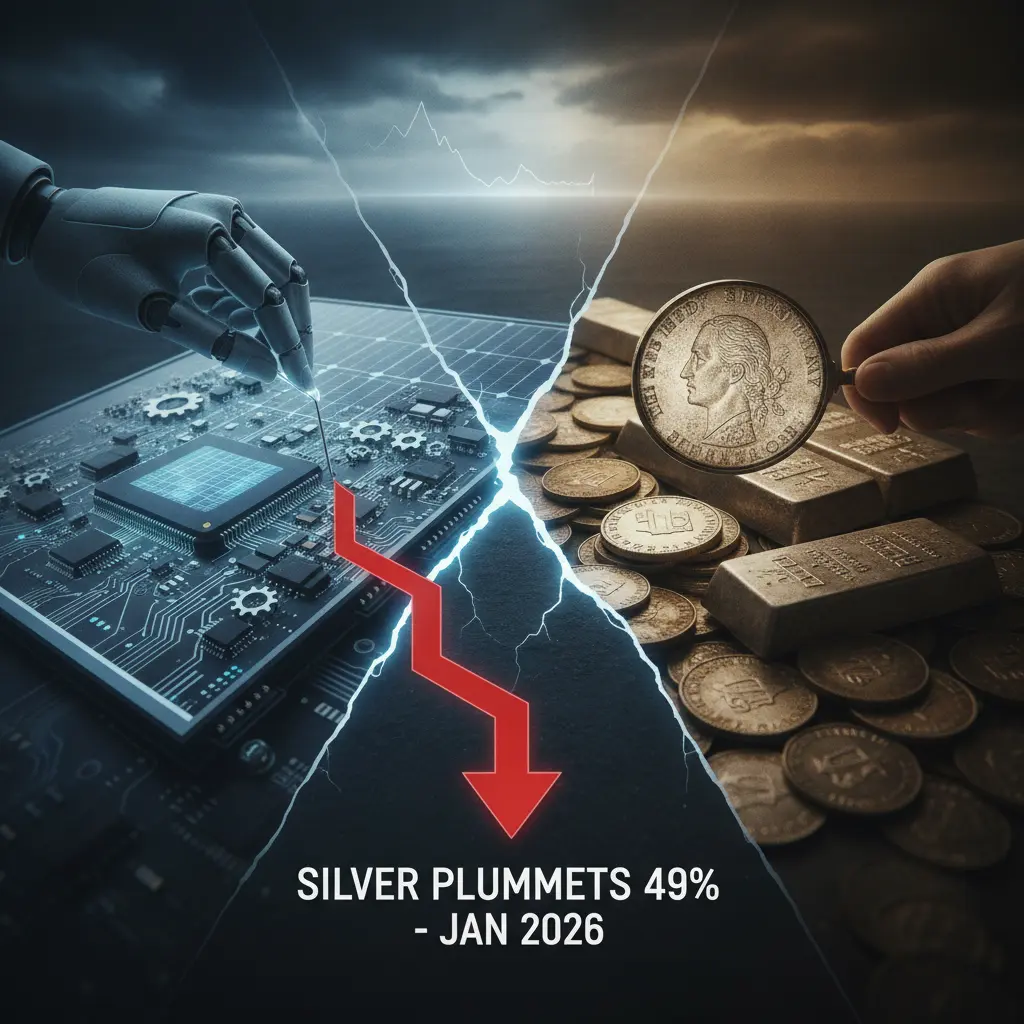
Silver, often dubbed ‘poor man’s gold,’ has seen a precipitous decline, plummeting an astonishing 49% since the beginning of January 2026. This dramatic fall has left many investors questioning whether the white metal, once a shining star in commodity portfolios, still holds its luster as a viable investment. While the sharp drop undeniably signals market headwinds, the answer to its investment potential is, as ever, nuanced.
The Anatomy of a Plunge: Why the Steep Decline?
Several factors likely contributed to silver’s significant downturn. Firstly, a strengthening U.S. dollar, often seen as a safe-haven asset itself, tends to put downward pressure on dollar-denominated commodities like silver. When the dollar gains strength, it makes silver more expensive for holders of other currencies, dampening demand.
Secondly, persistent global economic uncertainties and concerns over slowing industrial growth may have weighed heavily. Unlike gold, which is primarily a monetary asset, silver has significant industrial demand – used in everything from solar panels and electronics to automotive components and medical devices. A slowdown in manufacturing or a cautious economic outlook can directly impact its price.
Finally, rising interest rates, or the expectation of further hikes, often make non-yielding assets like precious metals less attractive compared to bonds or savings accounts that offer guaranteed returns.
Silver’s Dual Nature: Precious Metal Meets Industrial Powerhouse
To assess silver’s investment potential, it’s crucial to understand its dual identity. It serves as both a precious metal, valued for its historical role as currency and a store of value, and an industrial commodity critical to modern technology.
- Precious Metal Appeal: Like gold, silver is often sought after as a hedge against inflation and economic instability. Its tangible nature can offer a sense of security during turbulent times.
- Industrial Demand Driver: Its exceptional conductivity, reflectivity, and antibacterial properties make it indispensable in high-growth sectors. The global push towards renewable energy, particularly solar power, and the accelerating demand for electric vehicles and 5G technology, all rely heavily on silver.
Is the Current Price a Bargain or a Trap?
The 49% markdown since January certainly presents a tantalizing discount for some. For contrarian investors, such a significant correction might signal an undervalued asset poised for a rebound. If the underlying industrial demand remains strong, particularly with long-term trends like decarbonization and digitization, the current price could indeed be seen as a compelling entry point.
However, risks remain. Continued economic sluggishness, further interest rate increases, or a prolonged strong dollar could prolong the downward pressure. Silver is also historically more volatile than gold, meaning its price swings can be more dramatic in both directions.
The Verdict: A Calculated Risk, Not a Sure Bet
Ultimately, whether silver is a good investment at its current depressed price depends on an individual’s investment horizon, risk tolerance, and macroeconomic outlook. For those with a long-term perspective who believe in the enduring industrial demand for silver and its role as a hedge against future inflation, the current prices might represent an attractive accumulation opportunity.
However, investors should exercise caution. Diversification remains key, and thorough due diligence, including understanding market dynamics and personal financial goals, is paramount. Consulting with a financial advisor can help navigate the complexities of this volatile yet potentially rewarding commodity. Read More
Leave a Reply
You must be logged in to post a comment.