Silver’s Price Plunge: Opportunity or Warning Sign After a 49% Drop?
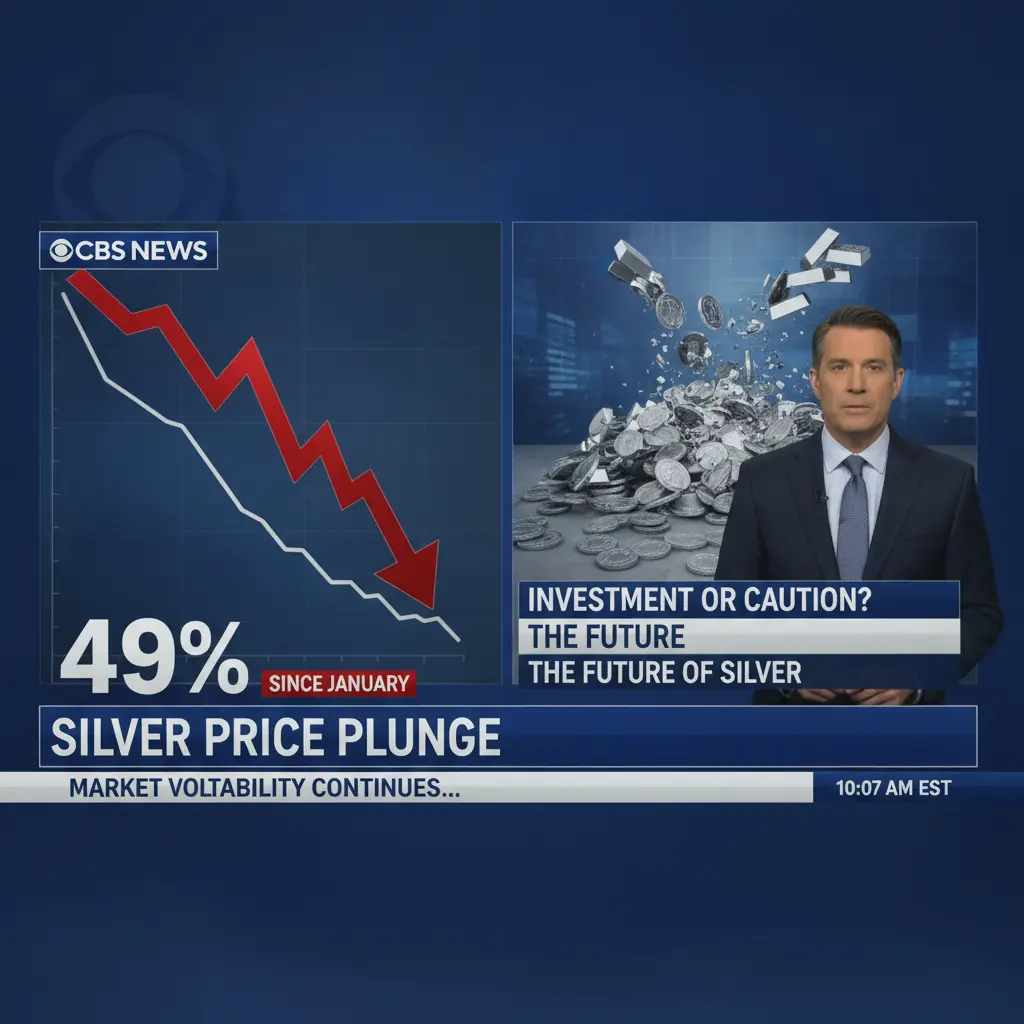
New York, NY – July 2, 2026 – The precious metals market has seen significant shifts, but few as dramatic as silver’s performance this year. Often dubbed “poor man’s gold,” silver has experienced a stunning 49% decline in price since January, leaving investors and analysts alike questioning its immediate future and long-term viability as a hedge or growth asset.
The sharp downturn in silver prices is a complex issue, influenced by a confluence of macroeconomic factors. While gold has largely held its ground, benefiting from its traditional safe-haven status amidst global uncertainties, silver’s dual identity as both a monetary metal and an industrial commodity has left it more exposed to economic headwinds.
Why the Steep Decline?
Several factors are likely contributing to silver’s dramatic fall:
- Industrial Demand Concerns: A significant portion of silver’s demand comes from industrial applications, particularly in electronics, solar panels, and automotive industries. Fears of a global economic slowdown or recession tend to depress manufacturing activity, directly impacting demand for industrial metals like silver.
- Strong U.S. Dollar: Aggressive interest rate hikes by central banks, especially the Federal Reserve, have bolstered the U.S. dollar. A stronger dollar makes dollar-denominated commodities like silver more expensive for international buyers, dampening demand.
- Monetary Policy Tightening: Higher interest rates increase the opportunity cost of holding non-yielding assets like precious metals, often drawing capital away towards bonds or interest-bearing accounts.
- Investor Sentiment and Liquidation: In times of market stress, some investors may liquidate riskier assets, including commodities, to raise cash or cover losses in other parts of their portfolios.
Is Silver Still a Good Investment?
This is the critical question facing current holders and prospective buyers. A near 50% drop is undoubtedly alarming, but it also presents a potential entry point for those with a long-term perspective and a high tolerance for risk.
Arguments for “Yes, it could be”:
- Undervaluation: A 49% decline suggests silver might be significantly oversold, potentially trading below its intrinsic value or long-term average. Historically, significant corrections often pave the way for eventual rebounds.
- Industrial Rebound Potential: Should the global economy stabilize or return to growth, industrial demand for silver, especially from booming sectors like green energy (solar panels) and electric vehicles, could surge again. This structural demand could provide a strong foundation for future price appreciation.
- Inflation Hedge: Despite its current struggles, silver, like gold, has historically served as a hedge against inflation. If inflationary pressures persist or re-emerge, silver’s role as a store of value could regain prominence.
- Gold-Silver Ratio: The gold-silver ratio, which indicates how many ounces of silver it takes to buy one ounce of gold, might be historically high, suggesting silver is undervalued relative to gold.
- Finite Supply: Silver is a finite resource. Long-term demand, coupled with potential mining supply constraints, could support higher prices in the future.
Arguments for “Proceed with Caution”:
- Continued Economic Headwinds: If the global economy slides into a deeper or prolonged recession, industrial demand could remain subdued for an extended period.
- Persistent Dollar Strength: A continued strong dollar could keep a lid on commodity prices.
- Volatility: Silver is known for its price volatility. Investors should be prepared for further swings in either direction.
The Bottom Line
Silver’s dramatic price drop since January is a stark reminder of the volatility inherent in commodity markets. For investors, the current situation presents a dilemma: a potentially rare buying opportunity at significantly reduced prices, or a warning to steer clear until clearer economic signals emerge.
As with any investment, thorough due diligence is paramount. Investors should consider their personal financial goals, risk tolerance, and diversify their portfolios. While silver’s current luster may be tarnished, its historical resilience and critical role in modern industries suggest its long-term narrative may not be fully written yet. However, this is not financial advice, and individual investors should consult with a qualified financial advisor before making any investment decisions.
Leave a Reply
You must be logged in to post a comment.