
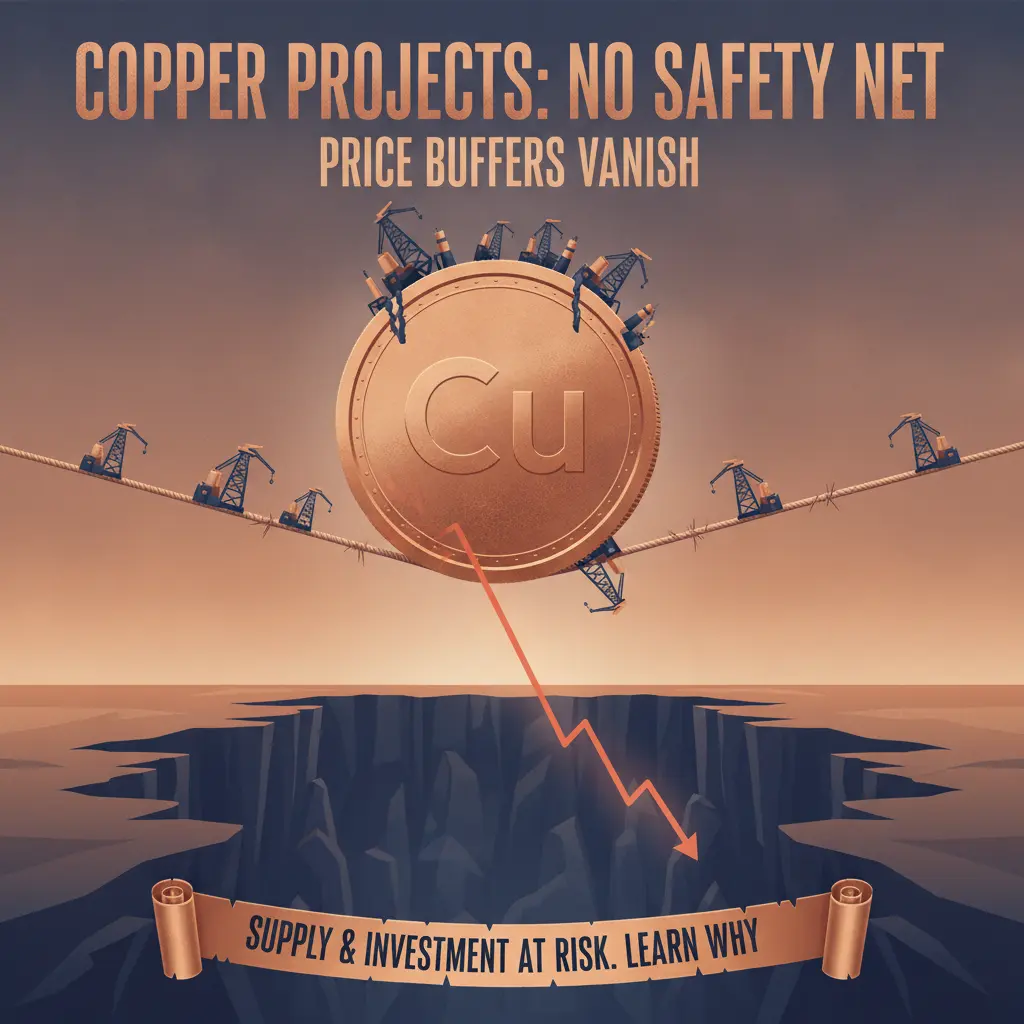
The global copper market is bracing for a new era where mining projects operate with virtually no financial safety net. A recent S&P Global report highlights a critical shift: copper projects have lost their traditional price buffer, signifying a heightened risk landscape for one of the world’s most vital industrial metals.
This erosion of the price buffer means that the once comfortable gap between the cost of developing and operating a copper mine and the market selling price has significantly narrowed. Several factors are contributing to this tightening squeeze. Rising capital expenditure, increased energy costs for extraction and processing, stricter environmental regulations, and lengthier permitting processes are all pushing the breakeven point higher for new and existing projects. Geopolitical uncertainties and a global push for decarbonization, paradoxically, also contribute by demanding higher standards and often more complex supply chains.
The implications of this diminished margin for error are profound. For investors, the risk profile of new copper ventures has escalated, potentially deterring crucial capital inflow required to bring new supply online. This could lead to a slowdown in project development, exacerbating a projected supply deficit at a time when global demand for copper is poised to surge, driven by the electrification of transport and renewable energy infrastructure.
Producers are now walking a financial tightrope, where any unforeseen operational hiccup, market downturn, or regulatory change could swiftly render a project uneconomical. The focus on efficiency and cost management will become paramount, yet even the most optimized operations may struggle to absorb unexpected shocks. For market participants, monitoring the live Copper price becomes more critical than ever, as even minor fluctuations can have significant consequences for project viability and future supply.
Ultimately, this ‘no margin for error’ environment signals a more volatile and potentially supply-constrained future for copper. It underscores the delicate balance between meeting escalating demand and the increasing complexities and costs of extraction, suggesting that higher, more sustained prices may be necessary to incentivize the investment needed to secure future supply. Read More
Leave a Reply
You must be logged in to post a comment.