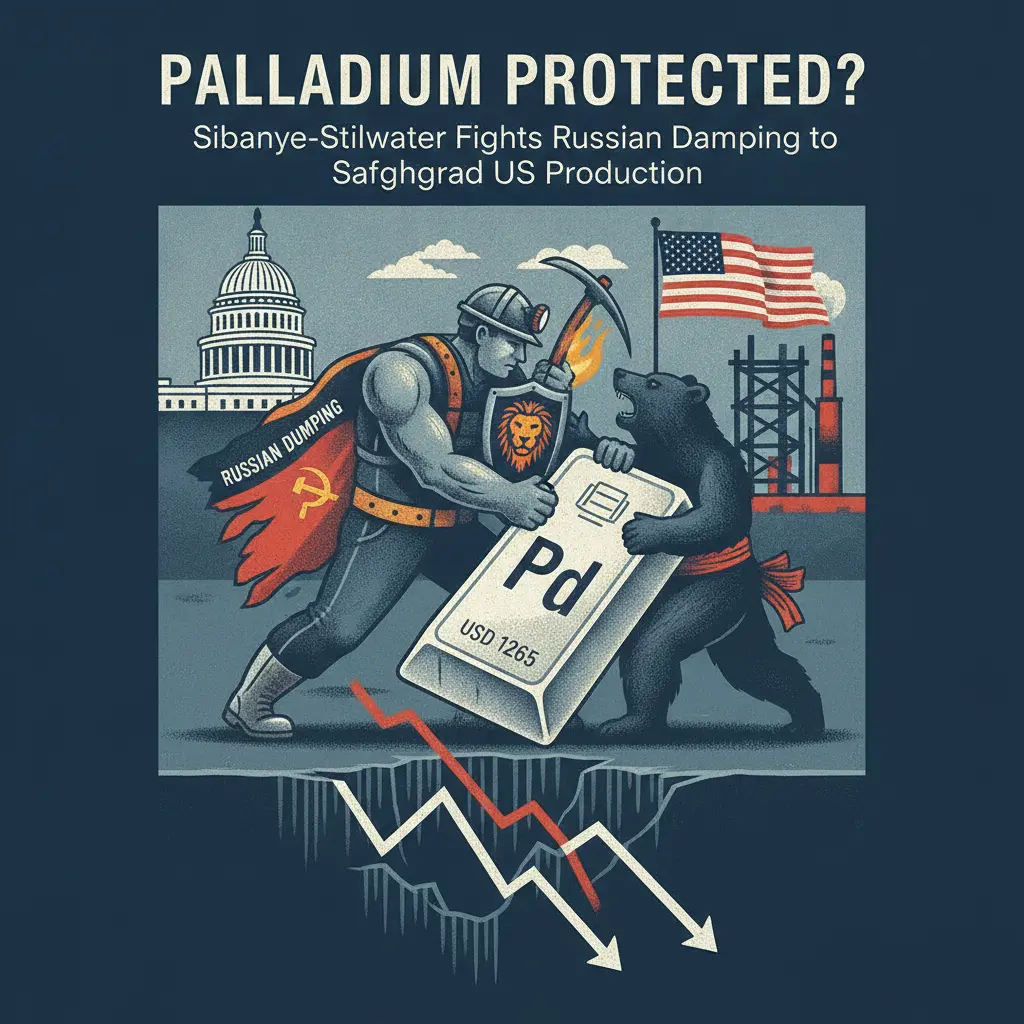
Sibanye-Stillwater, a major player in the global precious metals market, is reportedly battling to safeguard its U.S. palladium production against what it terms “dumped” Russian metal. This escalating trade dispute, highlighted by recent reports, underscores the complex geopolitical and economic pressures impacting the supply chain of critical industrial metals. The allegations suggest that Russian palladium is entering the market at artificially low prices, thereby undermining the economic viability of producers like Sibanye in the United States.
The implications for the U.S. domestic supply are significant. Maintaining a robust local production capacity for metals like palladium is crucial for various industries, including automotive catalytic converters, which are the primary consumers of the metal. If domestic producers are unable to compete with heavily discounted imports, it could lead to reduced output, job losses, and increased reliance on foreign sources, potentially impacting national economic security and strategic independence in raw materials.
This market dynamic unfolds as the price of palladium maintains a steady course. Currently, the live Palladium price stands at $1265 USD per troy ounce. Over the last 24 hours, the metal has shown remarkable stability, with a 0% change, indicating a change of $0. While the overall market might appear calm on the surface, the underlying tensions from alleged dumping practices highlight significant challenges for miners and could influence long-term pricing trends and investment strategies in the sector.
Sibanye’s fight isn’t just about protecting its bottom line; it’s about advocating for fair trade practices and ensuring the sustainability of critical mineral production outside of Russia. As the dispute continues, market participants and policymakers will be closely watching for potential resolutions or further escalations, which could significantly reshape the landscape for palladium supply and demand globally. The outcome of this battle could set a precedent for other precious metals markets facing similar pressures. Read More
Leave a Reply
You must be logged in to post a comment.