Discussions surrounding the trajectory of gold prices are perennially active, with recent insights, such as those highlighted by CBS News, prompting questions like “Why are gold prices falling?” While the precious metal is known for its resilience and safe-haven appeal, its value is constantly shaped by a confluence of global economic and geopolitical forces. As of the latest market check, the live Gold price stands at $4401.2 USD per troy ounce, reflecting a neutral stance with a 0% change over the last 24 hours, remaining stable with a change of $0.
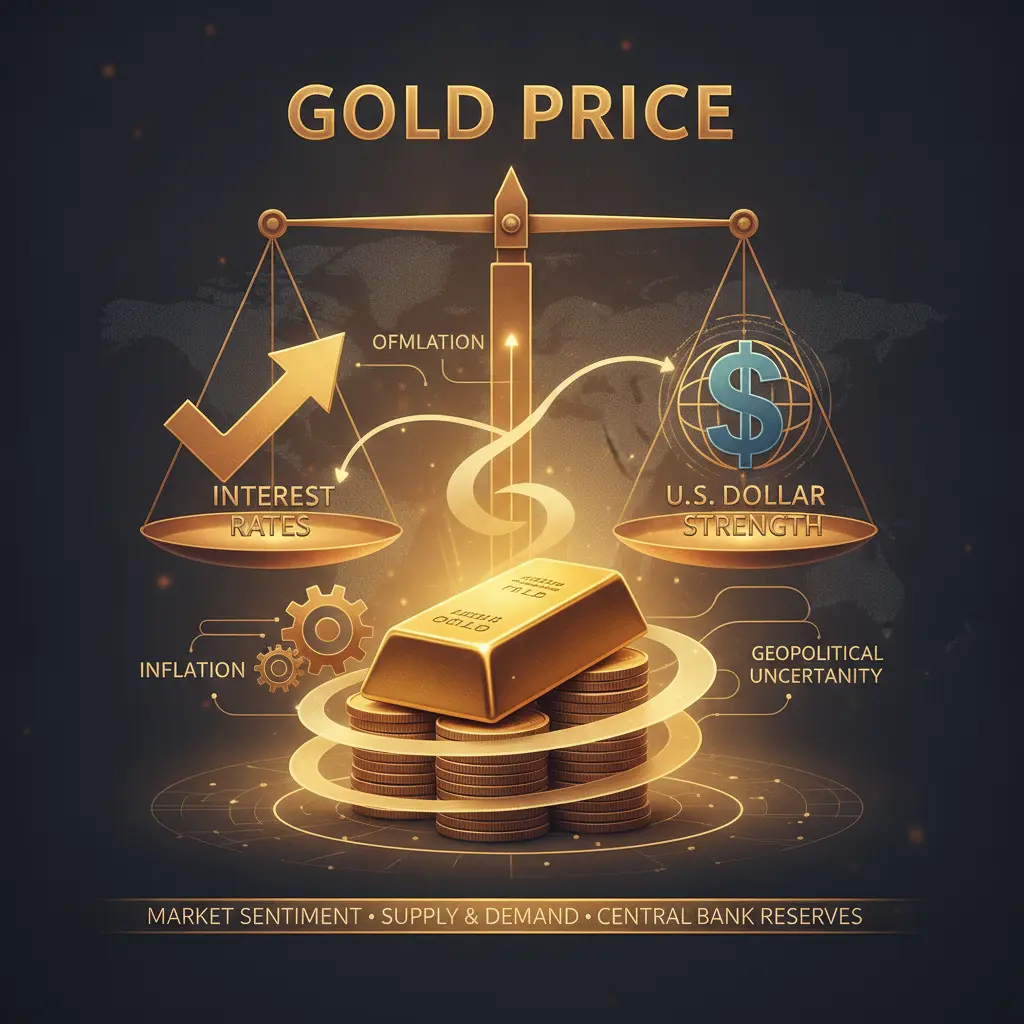
Despite this current stability, market analysts frequently point to several key factors that influence gold’s valuation. Firstly, the strength of the U.S. Dollar plays a significant role. A stronger dollar typically makes gold more expensive for international buyers, potentially reducing demand. Secondly, interest rate expectations are crucial; higher interest rates often increase the opportunity cost of holding non-yielding assets like gold, diverting investment into fixed-income instruments. Thirdly, inflation outlooks heavily impact gold’s appeal. Gold is often perceived as a hedge against inflation; if inflationary pressures subside or are expected to, some of gold’s luster as a protective asset can diminish. Finally, geopolitical stability and market sentiment remain potent drivers. Periods of heightened global uncertainty, economic instability, or geopolitical tensions tend to bolster gold’s safe-haven status, leading to price increases, while periods of calm can see demand soften.
These dynamics underscore that gold’s value is not static but rather a continuous reflection of the global economic landscape. Investors monitor these factors closely to gauge the metal’s potential direction, understanding that even amidst headlines of potential declines, the market can exhibit periods of calm and consolidation. Read More
Leave a Reply
You must be logged in to post a comment.