
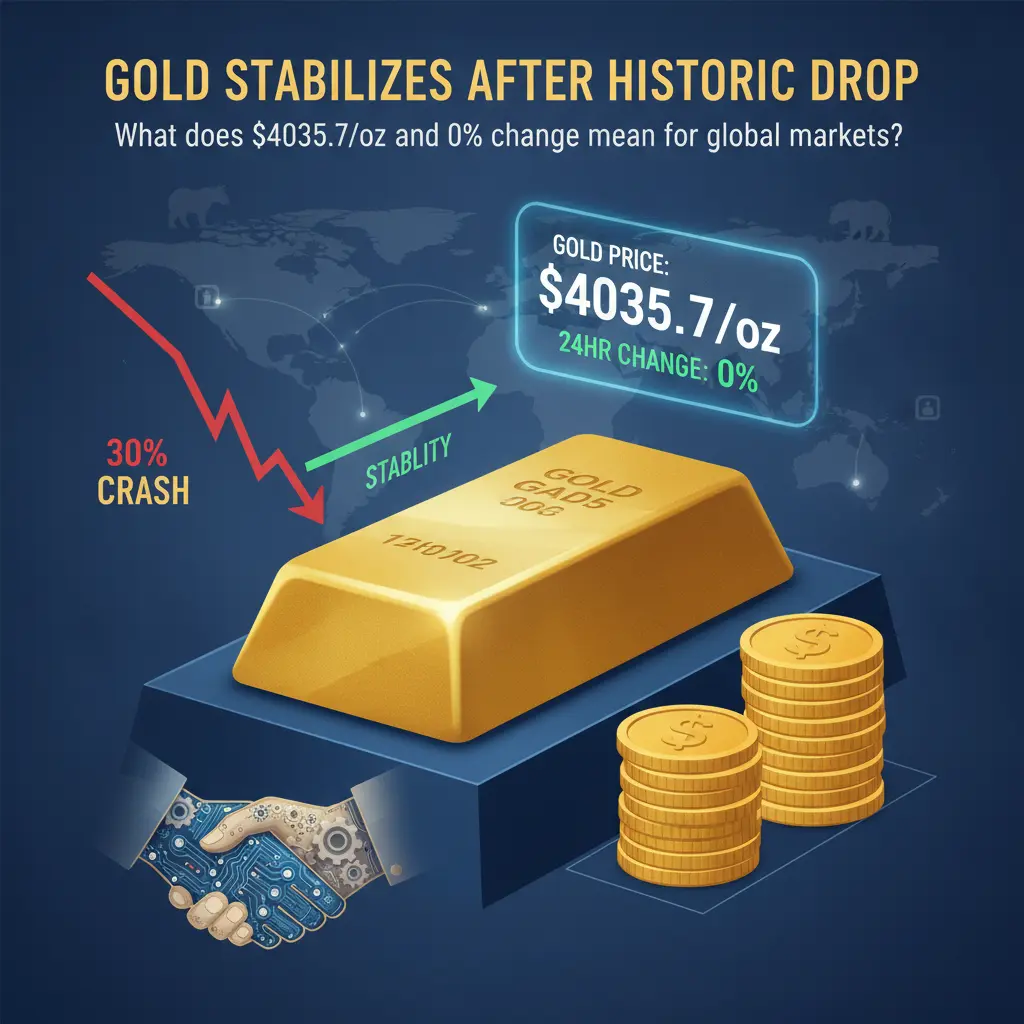
Gold, long revered as a bastion of stability and a hedge against economic turmoil, has demonstrated significant volatility in recent years. A headline from Business Insider highlighted a nearly 30% crash from its all-time highs, prompting extensive questions about its traditional role in investor portfolios and what such a dramatic downturn signals about broader market sentiment and the global economy. This substantial correction served as a stark reminder that even the most venerable assets are not immune to significant price swings, challenging conventional wisdom regarding gold’s ‘safe haven’ status during periods of perceived risk and prosperity alike. The steep decline suggested a possible recalibration of risk perception among investors, or perhaps a shift in where capital found refuge during periods of uncertainty, as other assets gained traction.
Today, as financial markets absorb these past lessons and continue to navigate a complex global landscape, the precious metal presents a more settled picture. The current live Gold price stands at $4035.7 USD per troy ounce. Notably, it has seen no significant movement over the past 24 hours, remaining flat with a 0% change, equating to a $0 shift. This period of relative calm, juxtaposed against its earlier dramatic plunge, suggests a market in a phase of consolidation or perhaps awaiting new, definitive catalysts. It could indicate that the market has digested the previous sell-off and found a new floor, at least temporarily.
Investors are closely watching a myriad of factors, including persistent global inflationary pressures, the trajectory of central bank interest rate policies, and evolving geopolitical developments, all of which traditionally influence gold’s appeal. While the memory of its past highs and subsequent significant correction undoubtedly lingers in the minds of many, gold continues to be a crucial component in diversification strategies. Its current stability, following a period of considerable turbulence, could be interpreted as a potential hint at a new equilibrium or a ‘coiled spring’ awaiting the next major macroeconomic shifts that will dictate its future direction. Read More
Leave a Reply
You must be logged in to post a comment.