
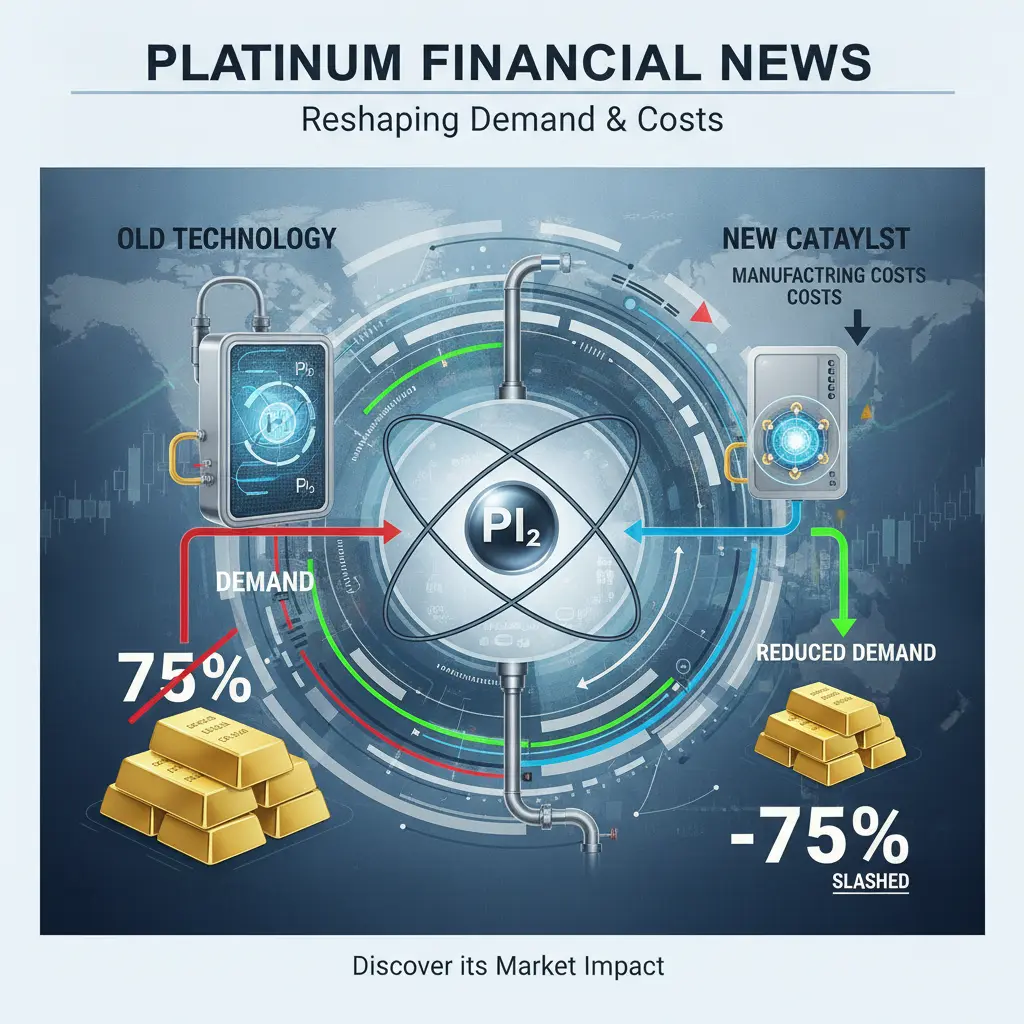
In a significant development for the green energy sector, a new catalyst capable of reducing platinum usage in hydrogen fuel cells by a remarkable 75% has been announced. This innovation, as highlighted by Phys.org, holds the potential to dramatically lower the cost of hydrogen fuel cell technology, making it more accessible and accelerating its adoption.
Platinum is a critical component in the proton exchange membrane (PEM) fuel cells that power hydrogen vehicles and stationary power systems. Its catalytic properties are essential for efficiently converting hydrogen and oxygen into electricity. However, platinum’s scarcity and relatively high cost have been significant hurdles to the widespread commercialization of hydrogen fuel cells. Reducing the platinum requirement by three-quarters could be a game-changer, addressing one of the core economic challenges in the hydrogen economy.
While the long-term implications for platinum demand are still unfolding, this technological leap suggests a future where fuel cells could become significantly cheaper to produce. Investors and industry watchers are keenly observing such developments, which can influence the precious metals market. Currently, the live Platinum price stands at $1739 USD per troy ounce. Over the last 24 hours, the price has remained stable, registering a 0% change, or $0, as of our latest market data. Despite short-term stability, innovations like this catalyst underscore the dynamic nature of demand drivers for industrial precious metals.
The research behind this new catalyst could pave the way for more cost-effective and scalable hydrogen solutions, aligning with global efforts to transition to cleaner energy sources. For Talupa readers tracking the precious metals market, this news offers a compelling look into how scientific breakthroughs can intersect with commodity values, potentially reshaping future industrial demand landscapes for metals like platinum. Read More
Leave a Reply
You must be logged in to post a comment.